Transform Your Legal Practice
Streamline your law firm operations with case management, document templates, appointment scheduling, and secure client collaboration. Focus on practicing law, not paperwork.
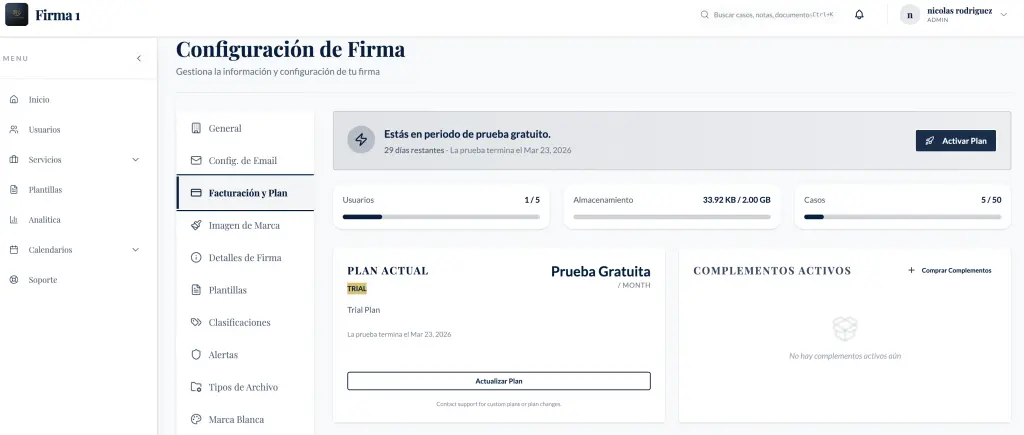
1-month free trial · No credit card required
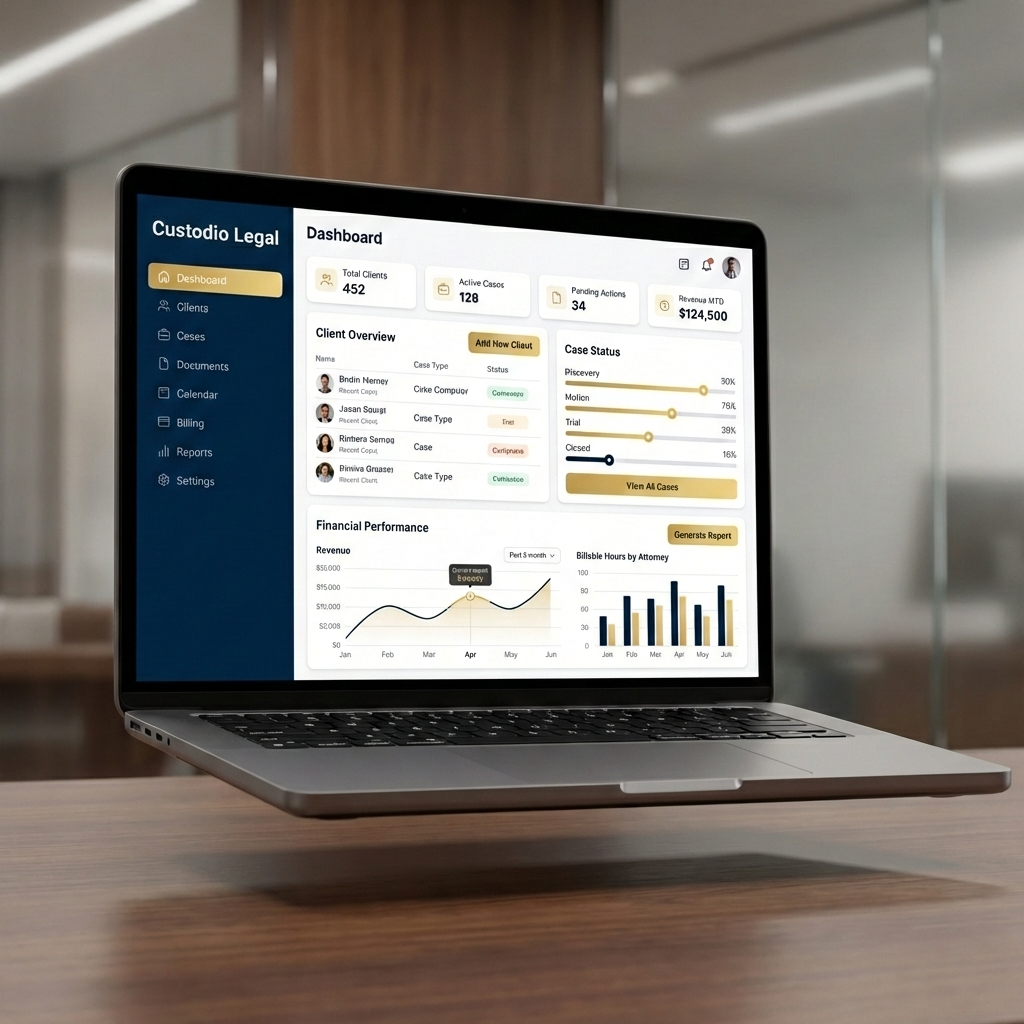
Everything Your Firm Needs in One Dashboard
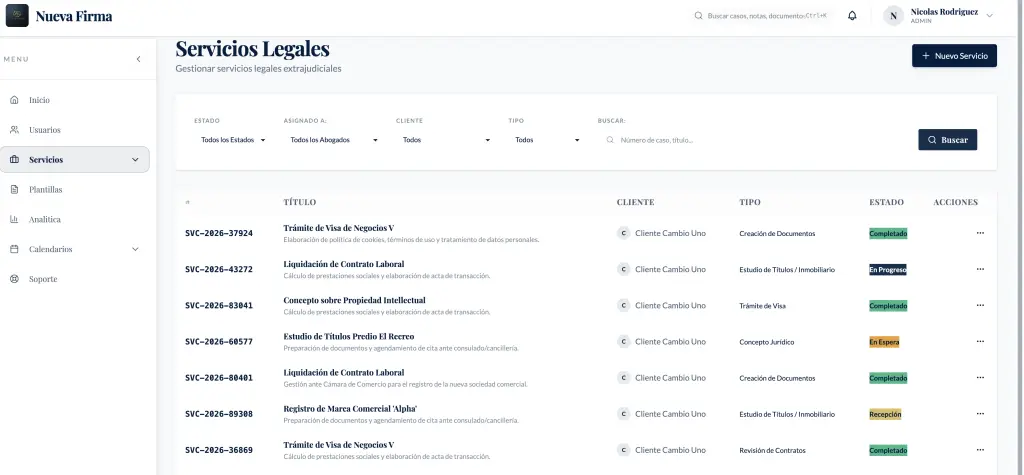
Case Management
Centralize all case information with smart organization and search. Track case status, manage documents, and collaborate seamlessly with your team. Manage divorce, wills, and trademark procedures efficiently with dedicated tracking.
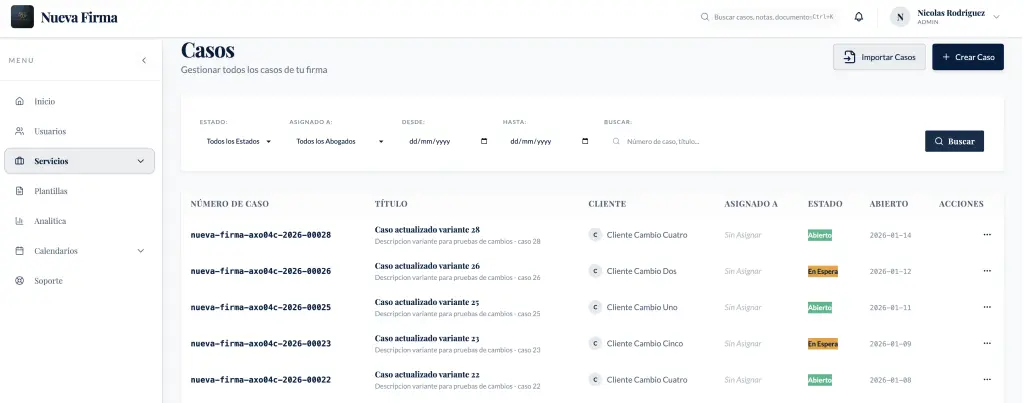
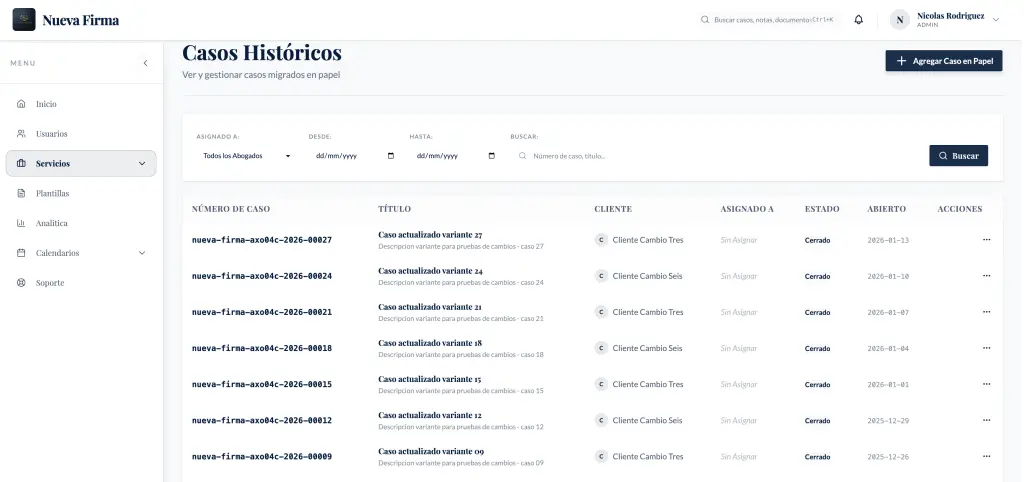
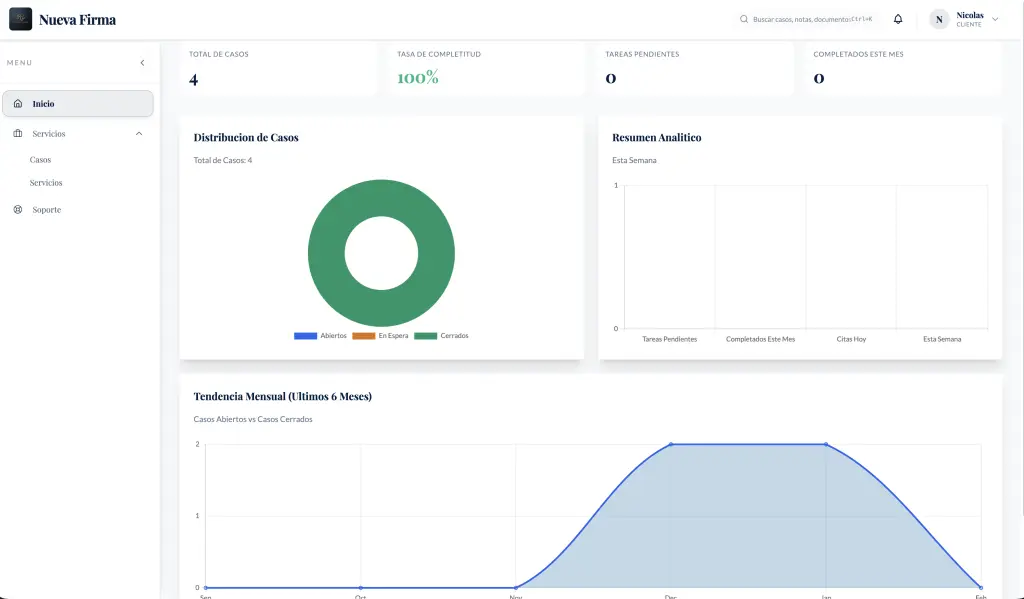
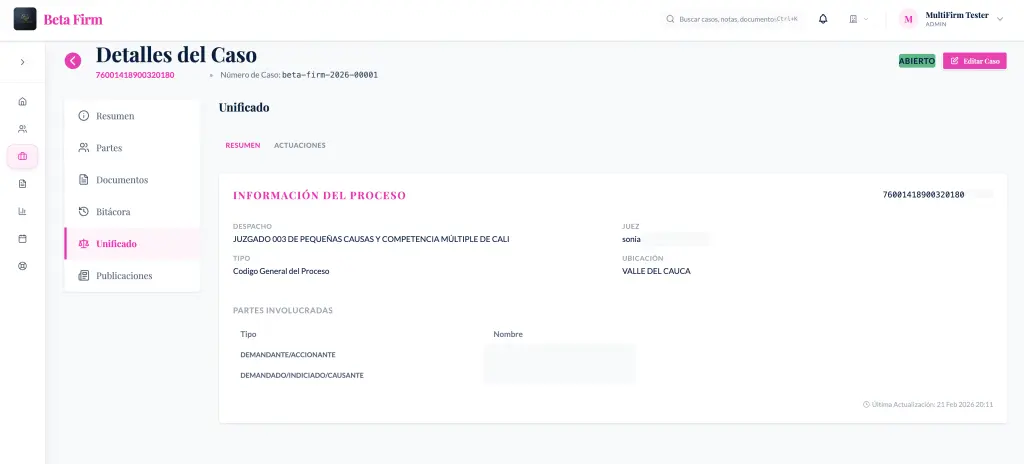
Automatic Judicial Sync
Connect directly with Rama Judicial, Tyba, and SAMAI. Receive auto-updates for your daily case statuses and electronic notifications.
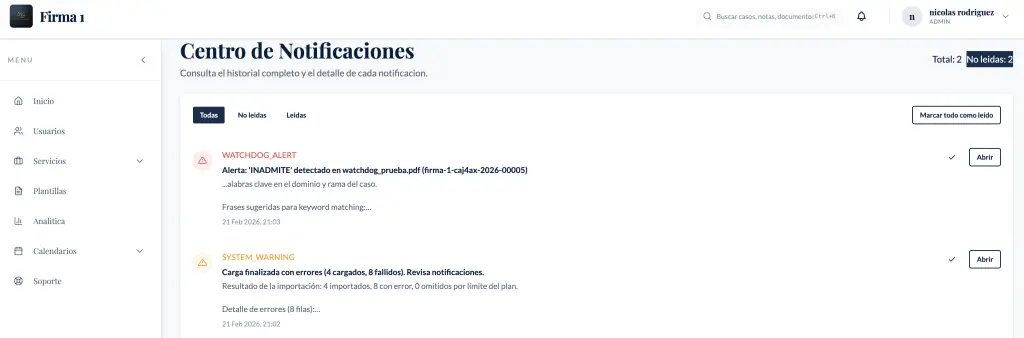
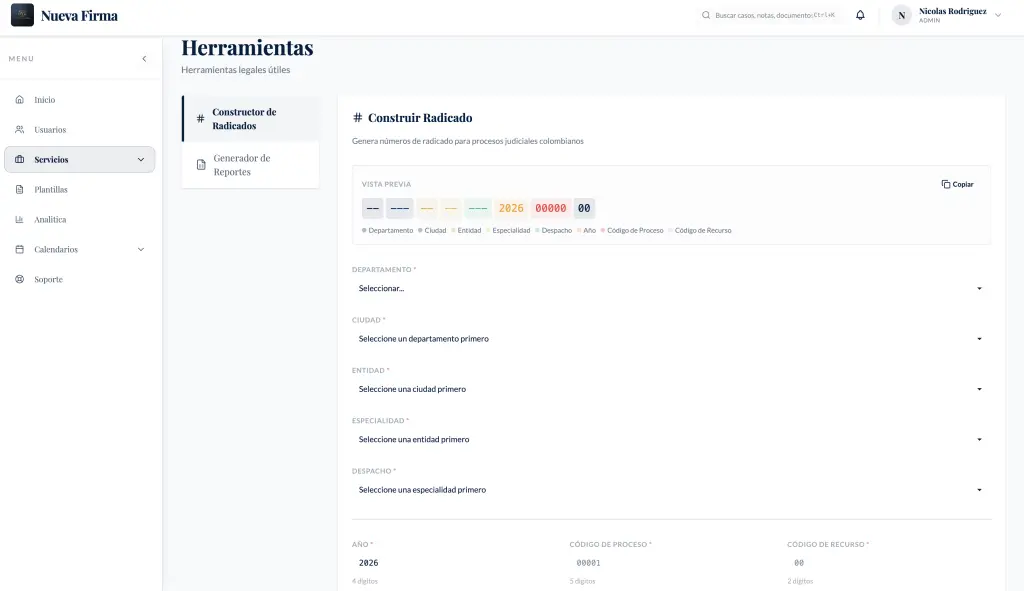
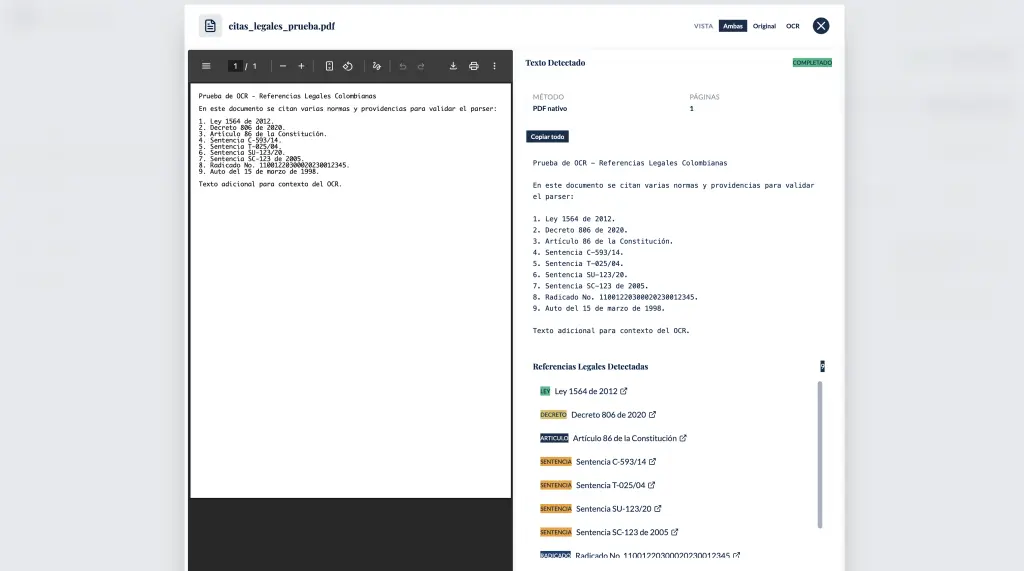
Document Templates
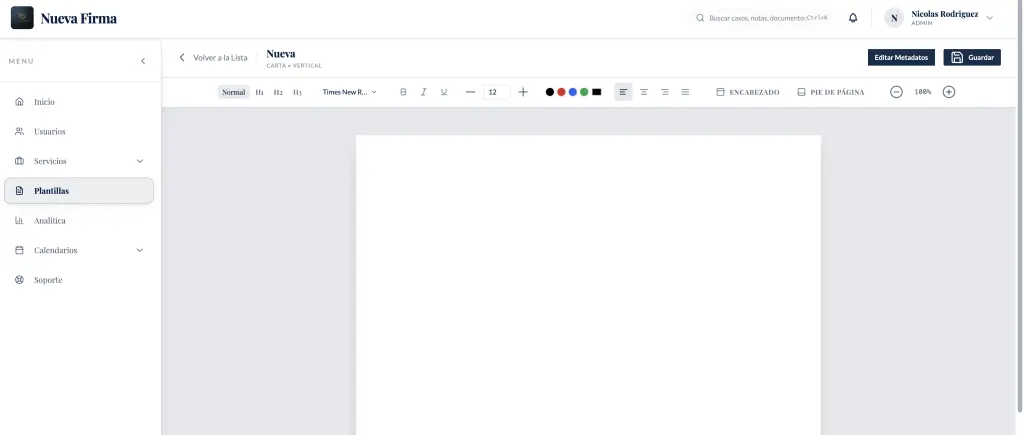
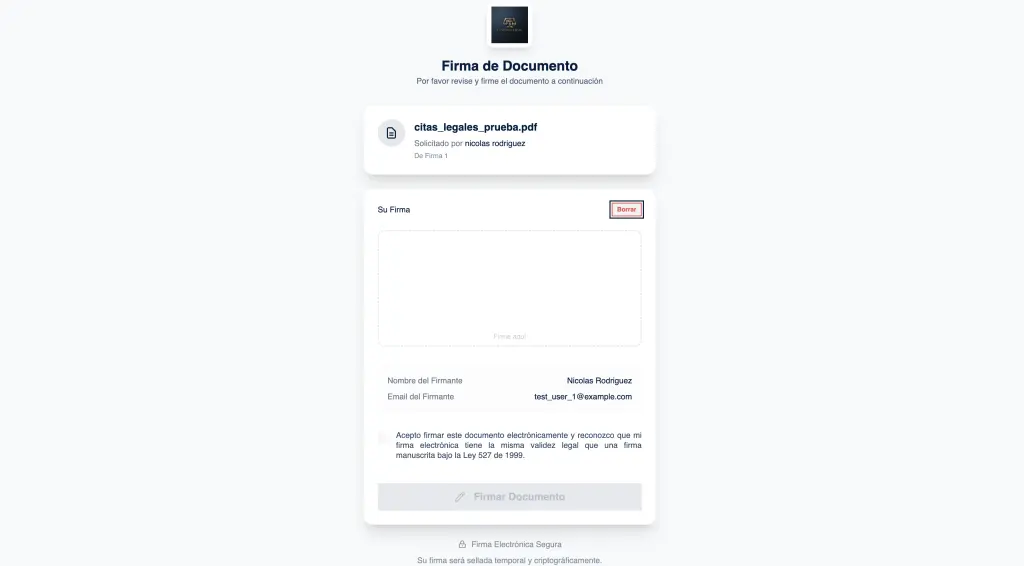
Create and manage reusable document templates with variable substitution for quick document generation.
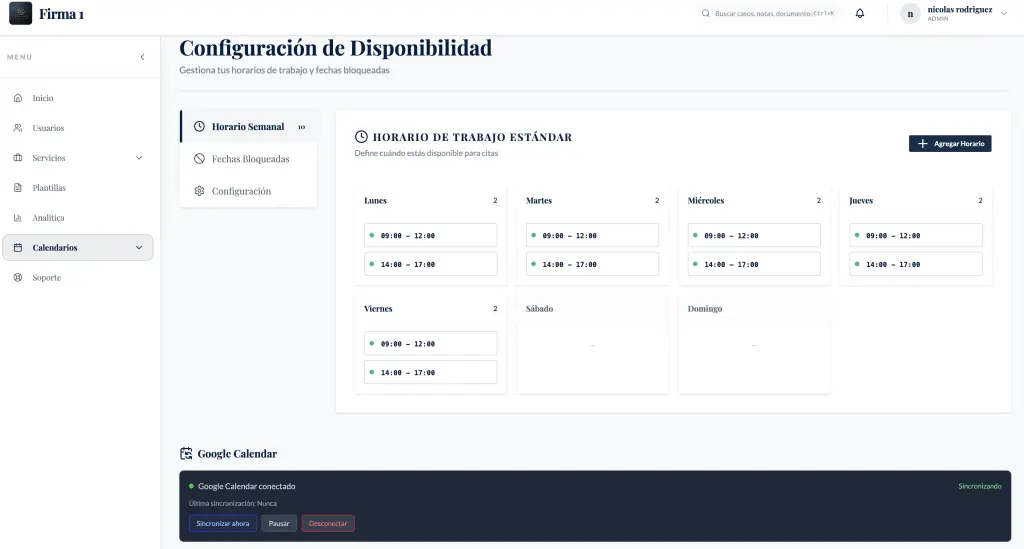
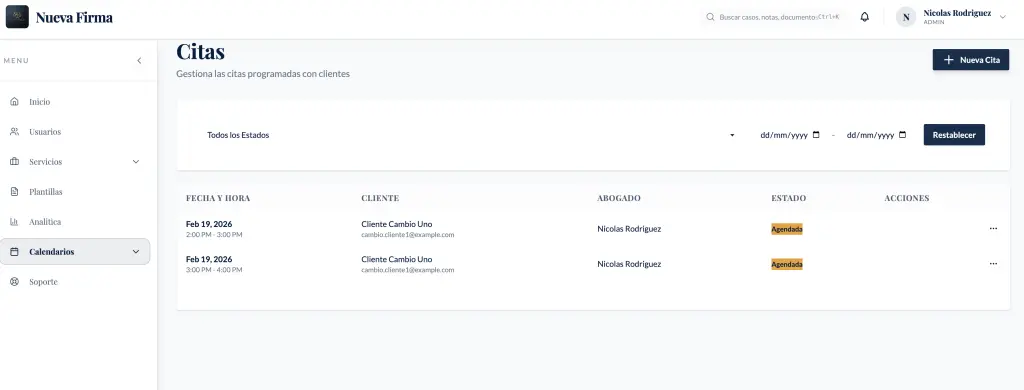
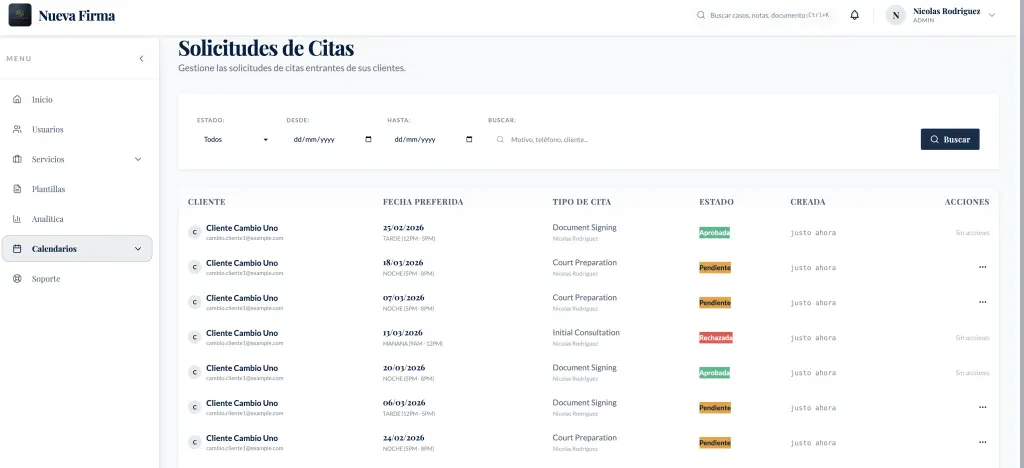
Google Calendar Sync
Real-time bidirectional integration with Google Calendar. Automatically sync hearings, appointments, and availability blocks.
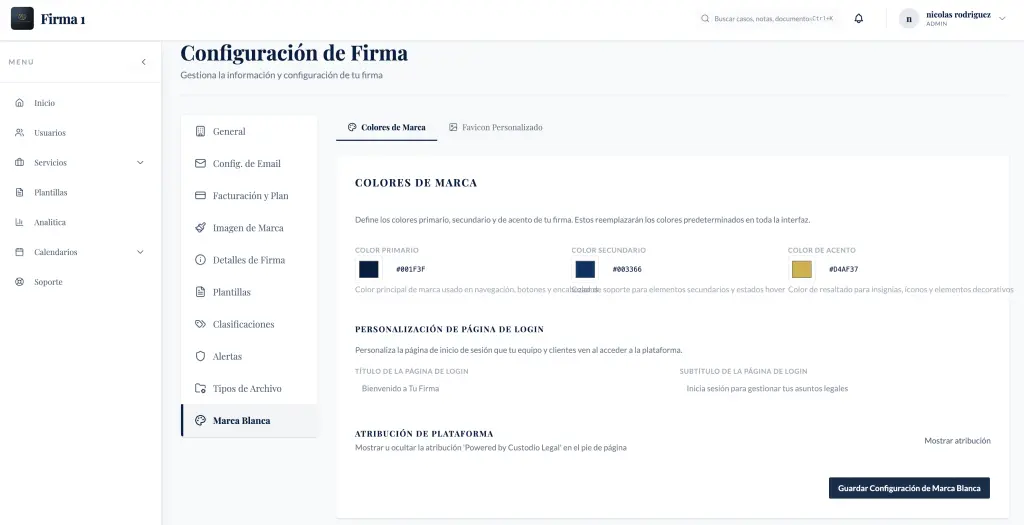
White-Label Experience
Offer a professional client portal under your own web domain, with your logo and custom emails, delivering a flawless corporate image.
AI that actually works — and only when you ask
Four production capabilities, two Claude models, zero phantom consumption. Every credit is audited.
Streaming summaries
1 crDocument drafting
3 crTransparent credits
AuditableDeep analysis
3 crCitation-backed Q&A
2 crClear plans
4 flagsRadical transparency: AI only runs when you click. No pre-processing, no training on your data, every credit auditable in the panel.
Why Choose Custodio Legal
Clear outcomes for law firms that need speed, structure, and legal-grade control.
Save Time
Streamline case management and reduce administrative overhead. Focus on what matters most—serving clients and winning cases.
Stay Organized
Keep all your case information, documents, and client data in one centralized platform. Never lose track of important details.
Improve Collaboration
Keep your team aligned with shared case access, appointment scheduling, and role-based permissions.
Secure Platform
Your data is protected with AES-256-GCM encryption for sensitive fields and secure authentication. Role-based access controls keep information safe.
Habeas Data Compliant
Full support for ARCO rights ensures your firm stays compliant with data protection laws.
Available in Latin America
Judicial integration, legal formats, and local regulations tailored to each country
Colombia
Judicial API · Filing Numbers · Legal Citations · Exchange Rates · SAMAI/TYBA
Ecuador
Case Numbers · Legal Citations · Classifications · Watchdog
More countries coming soon
Get Started in 3 Simple Steps
Sign Up
Create your account in under 2 minutes. No credit card required to start your free trial.
Import Your Data
We migrate your existing cases, clients, and documents automatically from your current system.
Start Managing
Begin streamlining your practice immediately with our intuitive interface and guided setup.
Simple, Transparent Pricing
Choose the plan that fits your practice
Free
Get started for free
- 1 user
- 5 GB storage
- Up to 100 cases
- 5 AI credits/month
- Document templates
- OCR & text extraction
- Analytics dashboard
- White Label
- Audit Logs
Entrepreneur
For solo practitioners
- 1 user
- 20 GB storage
- Up to 400 cases
- 30 AI credits/month
- Document templates
- OCR & text extraction
- Analytics dashboard
- White Label
- Audit Logs
Starter
Perfect for small law firms
- Up to 5 users
- 40 GB storage
- Up to 800 cases
- 100 AI credits/month
- Document templates
- OCR & text extraction
- Analytics dashboard
- White Label
- Audit Logs
Professional
For growing law firms
- Up to 10 users
- 80 GB storage
- Up to 1600 cases
- 200 AI credits/month
- Document templates
- OCR & text extraction
- Analytics dashboard
- White Label
- Audit Logs
- Priority support
Enterprise
For high-volume firms
- Up to 15 users
- 160 GB storage
- Up to 2400 cases
- 400 AI credits/month
- Document templates
- OCR & text extraction
- Analytics dashboard
- White Label
- Audit Logs
- Priority support
| Feature | Free | Entrepreneur | Starter | Professional | Enterprise |
|---|---|---|---|---|---|
| Users | 1 | 1 | 5 | 10 | 15 |
| Storage | 5 GB | 20 GB | 40 GB | 80 GB | 160 GB |
| Active cases | 100 | 400 | 800 | 1,600 | 2,400 |
| AI credits / month | 5 | 30 | 100 | 200 | 400 |
| AI case summary | |||||
| Deep AI analysis (Sonnet) | |||||
| AI document drafting | |||||
| Chat Q&A over the case (RAG) | |||||
| Document templates | |||||
| OCR & text extraction | |||||
| Analytics dashboard | |||||
| Client portal | |||||
| Judicial sync | |||||
| Google Calendar sync | |||||
| Priority support |
Frequently Asked Questions
We use bank-level 256-bit encryption for all data in transit and at rest. Your data is backed up daily and stored in geographically distributed data centers.
Yes! We offer free data migration assistance for all new customers. Our team will work with you to import your existing cases, contacts, and documents from most major practice management systems.
Absolutely! We offer a 1-month free trial with full access to all features. No credit card required. You can upgrade, downgrade, or cancel at any time.
All plans include email support with response times under 24 hours. Professional and Enterprise plans get priority support with faster response times. Enterprise customers also receive a dedicated account manager and 24/7 phone support.
Yes! Our workflow builder allows you to create custom automation tailored to your practice. Professional and Enterprise plans include advanced workflow features and custom integrations with your existing tools.
No. We use Claude via API with no-training enforcement enabled. No document, case, or data of yours is used to train external models. Everything complies with Habeas Data and GDPR.
Each plan includes monthly credits. 1 credit per standard summary (Haiku), 3 credits per deep analysis or document drafting (Sonnet), 2 credits per RAG Q&A question. Regenerating an unchanged item costs 0 credits thanks to the deterministic 24-hour cache.
Want to know more? Ask us.
Our team can show you exactly how Custodio Legal fits your firm's real workflow.
Go to ContactReady to Transform Your Practice?
Contact our support team for any questions or assistance.
No credit card required • Cancel anytime
How can I help you today?
Share your request and we will reply on WhatsApp.
Our average response time is 15 minutes.